Your BYD is arriving soon
Have the model and preferred parking location ready. We can review switchboard photos and the charging unit you are considering before an installation is booked.
EV charging across Melbourne
BYD charger installation in Melbourne starts with your model, parking space and switchboard. We check your switchboard and provide an itemised quote.
The practical starting point
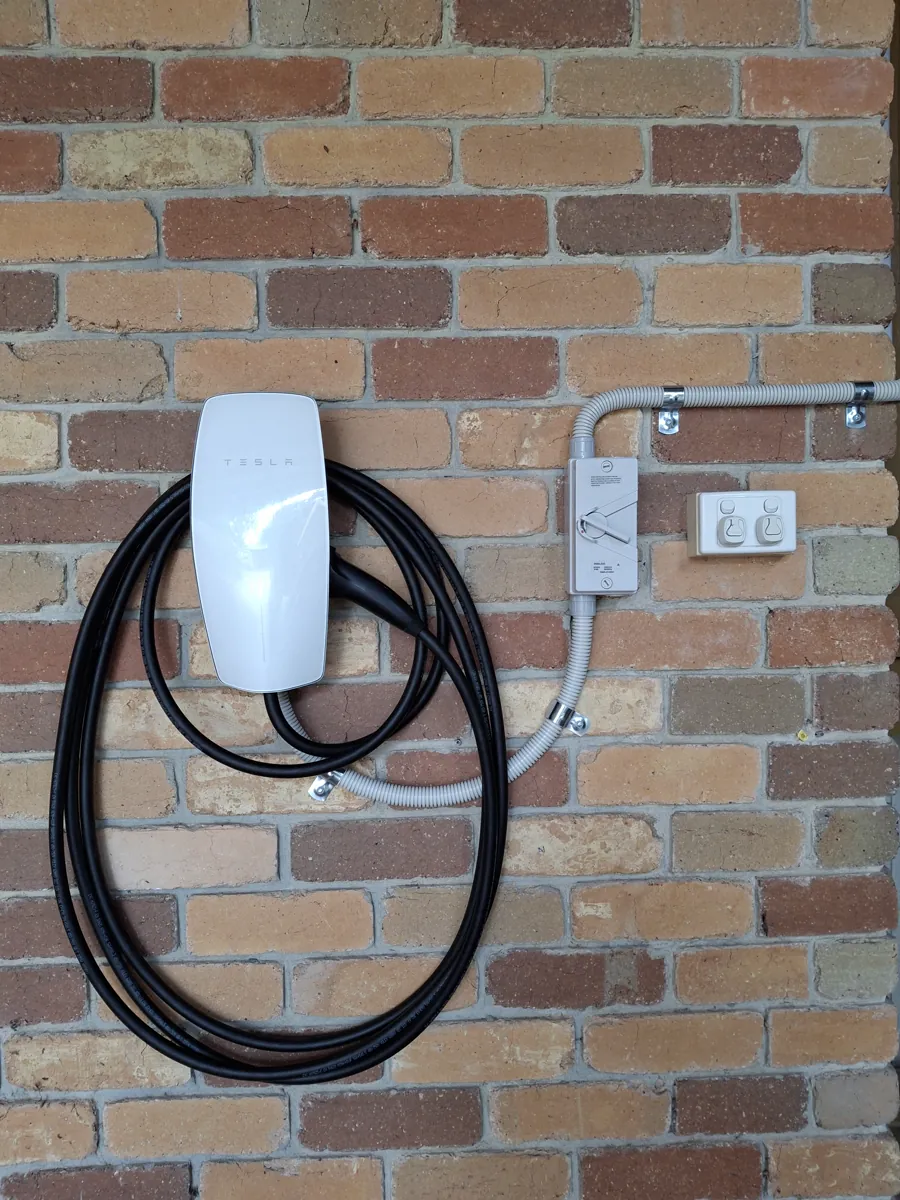
A BYD does not need a charger chosen by guesswork. The right wall unit depends on your particular vehicle, its onboard AC charging limit, your home supply and the cable reach to the parking position. If you drive an Atto 3, Seal or another BYD, tell us the exact variant and whether you already own a charging unit. The electrician checks the electrical work and connector requirements before confirming the installation scope. The aim is straightforward: convenient charging at home, without paying for an electrical upgrade or charger capability that your situation cannot use.
EV charging essentials
Most enquiries start with the car delivery date, a slow portable charger or uncertainty about the wiring.
Have the model and preferred parking location ready. We can review switchboard photos and the charging unit you are considering before an installation is booked.
Send the exact charger model and its specifications. Customer-supplied equipment is assessed for suitability before the electrician agrees to install it.
A fixed wall charger on an appropriate dedicated circuit can be more convenient for regular use. Actual charging speed still depends on the vehicle and electrical supply.
02 / EV charging guidance
The electrical design matters at least as much as the charger on the wall.
We check the model and the charger specification, including the connector and relevant AC charging limits, before confirming a suitable setup.
the electrician considers electrical load, protection and whether the property has single-phase or three-phase supply. Any upgrade is quoted separately.
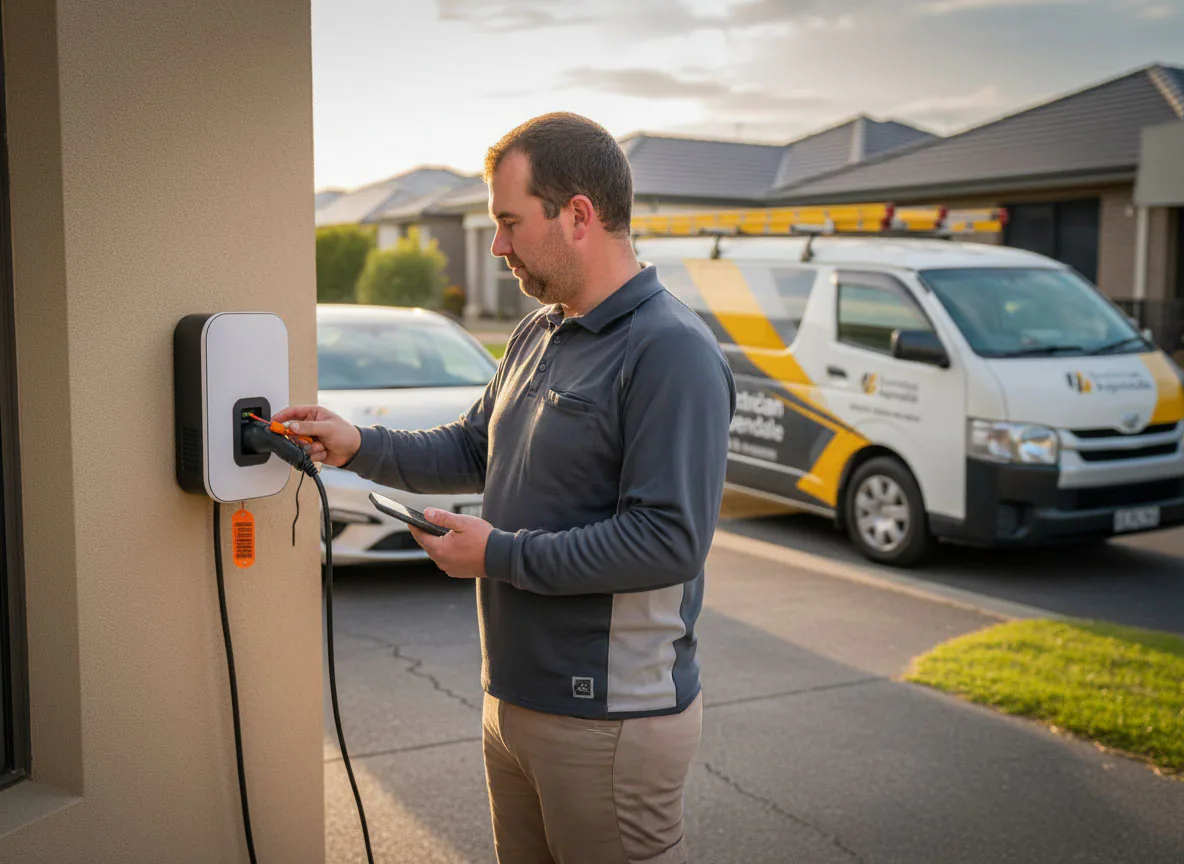
We discuss the parking layout and cable path, then install, test and explain the approved equipment. Electrical installation work receives a COES as required in Victoria.
Clear advice, tailored to site
The electrical design matters at least as much as the charger on the wall.
03 / EV charging guidance
The right charging setup depends on the vehicle, the site and the available electrical supply.
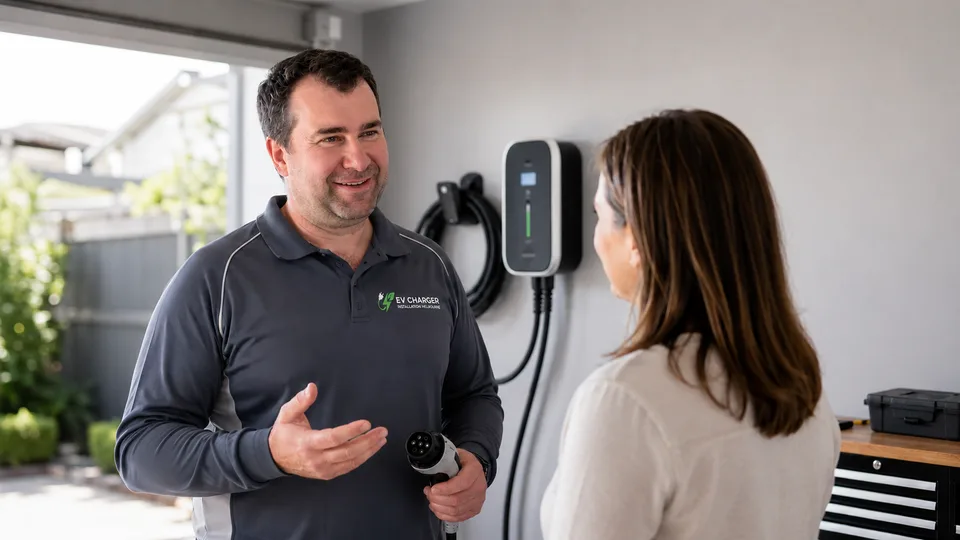
A suitable single-phase wall unit may meet your overnight routine without assuming three-phase power is needed.
A model with scheduling or energy monitoring may suit households managing off-peak tariffs or rooftop solar. Check the actual features.
If another EV could use the same charging point, charger compatibility and available circuit capacity deserve attention now.
04 / EV charging guidance
the electrician looks at the electrical supply before recommending a final charger position or connection.
Send the vehicle model, charger name if you already have one, and the location you want to charge. A clear photo of the switchboard helps us understand the starting point.
the electrician checks the available electrical capacity, the protection needed and a practical path from the switchboard to the charger. Any necessary upgrade is discussed before work starts.
The quote sets out the proposed equipment and electrical work so you know what is being installed. If an issue changes the scope, it is raised for discussion rather than hidden in vague allowances.
The charger is fixed, connected and tested by a licensed electrician. You are shown the controls and given a Certificate of Electrical Safety for electrical installation work as required in Victoria.
Clear advice, tailored to site
the electrician looks at the electrical supply before recommending a final charger position or connection.

05 / EV charging guidance
A useful quote separates the charger itself from the electrical work and any upgrades.
Existing protective devices, circuit space and electrical load affect whether a dedicated circuit can be added or the board needs work.
A charger near the switchboard is different from one that requires a longer route through walls or to a detached parking space.
The charger model, connectivity requirements and any associated testing or setup contribute to the final scope.
06 / EV charging guidance
the electrician performs the electrical work and checks the installation before handover.
The charger must have suitable circuit protection and wiring for the intended load. An electrician checks the supply rather than assuming an existing power point can handle a fixed wall unit.
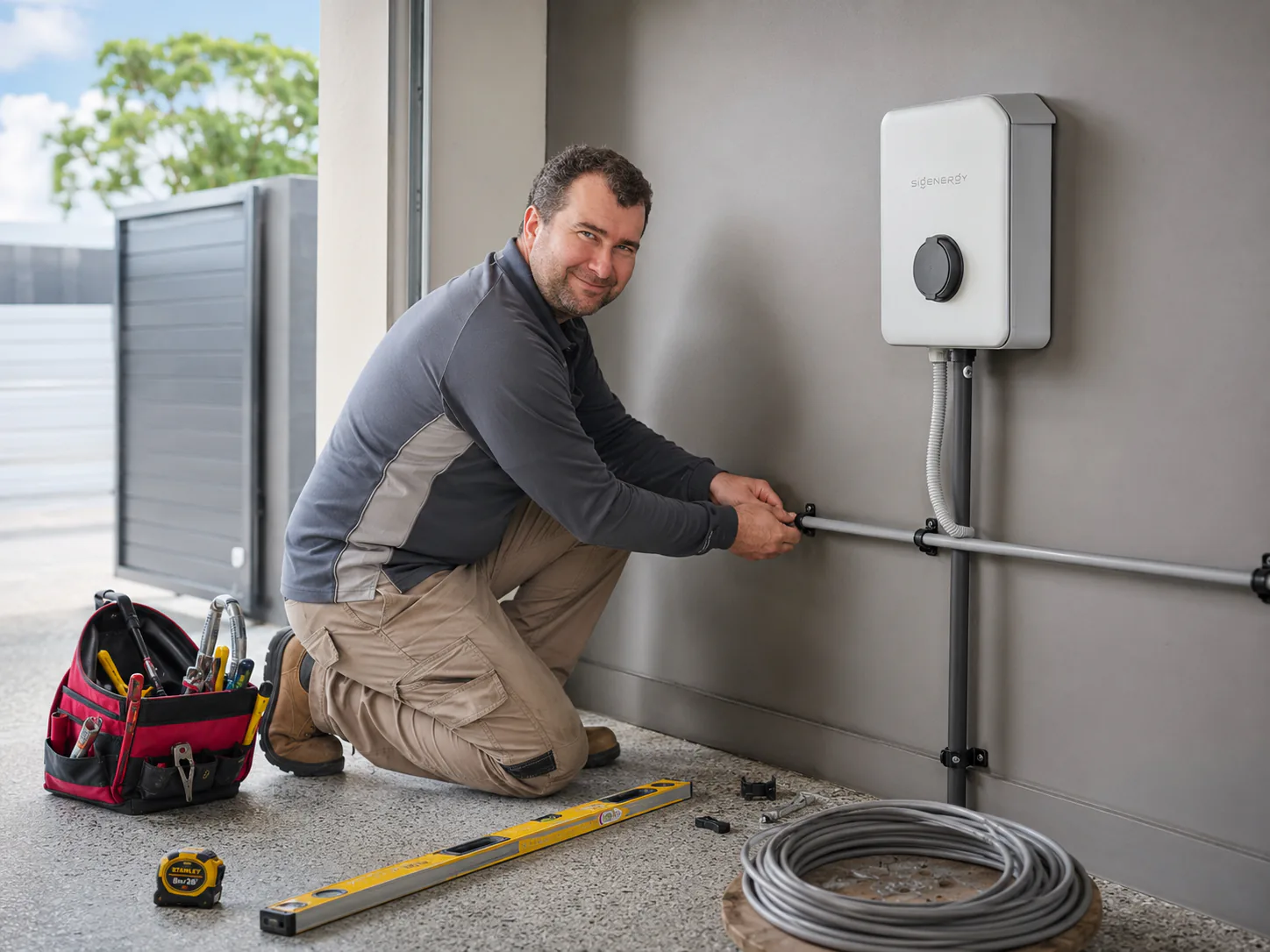
The position is checked against parking access, cable reach, walls and the switchboard. Keeping cables out of walkways matters as much as keeping the installation neat.
The installation is checked before handover, and a Certificate of Electrical Safety is issued for electrical installation work as required in Victoria. Ask the electrical contractor for current insurance details as part of the quote.
These related pages cover the next decision without repeating the same installation advice.
Understand which chargers, cable routes and electrical changes affect your quoted cost.
Compare app scheduling, charge monitoring and solar-aware features before installation.
Find out when three-phase supply is useful and what your vehicle can accept.
Clear advice, tailored to site
Every EV charging project starts with the vehicle, the available power and a practical plan for the property.
Helpful answers
the electrician can assess BYD Atto 3 and Seal home charging requirements. The installation is based on the exact vehicle, charger, parking location and electrical supply, rather than the badge alone. Send the model and charger details so the electrician can confirm what is suitable.
Not necessarily. Charger selection depends on the vehicle connector, supported AC charging specifications and features you want. A third-party wall charger may be suitable, but compatibility must be checked rather than assumed. Our installation advice is based on vehicle and property suitability, with advice.
Not necessarily. AC charging is limited by the vehicle’s onboard charger as well as the power available at home and the wallbox rating. A larger number on the charger does not guarantee a faster session. We can help work out which capacity is useful.
Yes, the electrician can install a customer-supplied charger after checking its suitability for the vehicle, electrical supply and location. Send the make and model with your enquiry. If the product or its requirements do not suit the site, the electrician will explain the issue before installation.
Not automatically. The available load, switchboard condition, protective devices and proposed charger rating must be assessed first. Some homes can support a suitable dedicated circuit without a board upgrade; others need changes to make the installation safe and compliant. The quote should separate those items.
Yes. For electrical installation work, The electrician issues a Certificate of Electrical Safety as required in Victoria. The electrician also tests the completed work and explains how to use the charger. A certificate is not a claim that every charger or home is suitable without an electrical assessment.
Your enquiry is passed to the licensed electrical contractor who assesses the job and carries out the installation. It is not distributed to a panel of installers. You can also call (03) 9999 8550 to discuss your property and charger.
Let’s get you charging
Tell us your BYD model and whether you already have a wall charger. The electrician can check the switchboard, cable route and installation scope before you decide. Request a free quote